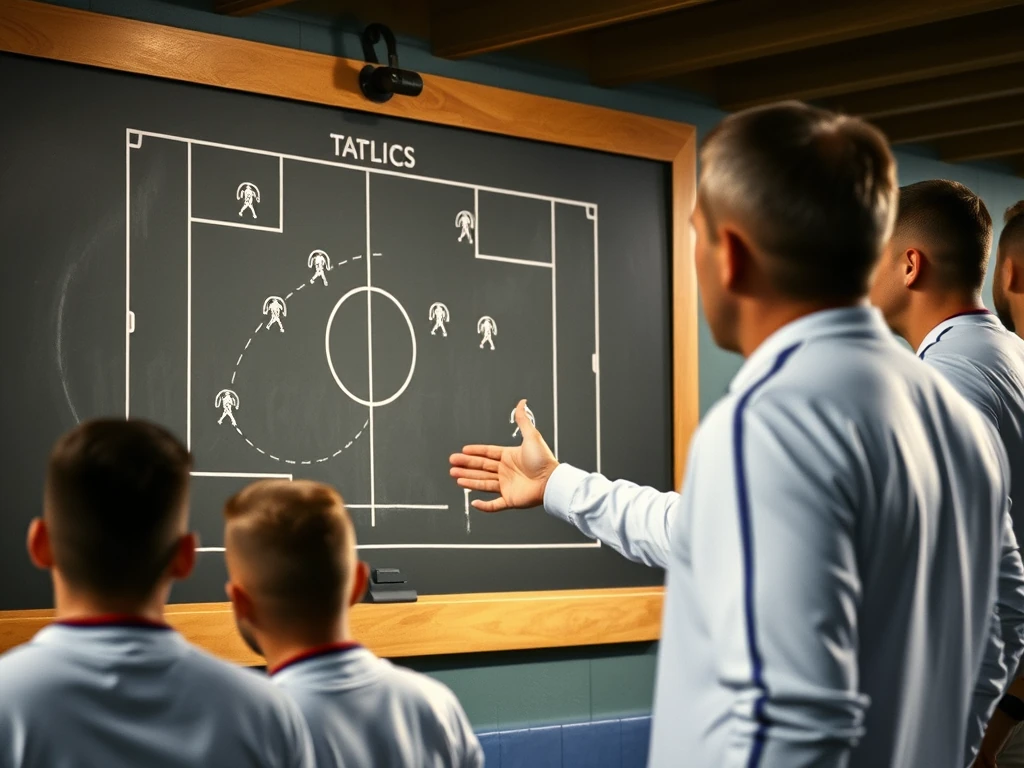

Tactical Adjustments for Swansea City: Finding the Right Balance
As Swansea City A.F.C. Handles the competitive landscape of League Two, their recent form shows both promise and areas for improvement. With an attacking flair that occasionally falters and a defense that can be caught off-guard, the Swans need to find a tactical balance to maximize their potential and secure vital points.
Current Tactical Setup
In their recent matches, Swansea has adopted a flexible 4-2-3-1 formation, which allows for creativity in the final third while providing a solid base in midfield. The double pivot has proven effective in shielding the backline, yet it sometimes leaves the team exposed to counter-attacks, particularly against teams that press high. The attacking trio, spearheaded by a central striker, often finds itself isolated when the midfield fails to connect effectively.
Suggested Tweaks
1. Enhancing Width with Wing Play One immediate adjustment could be to use the full-backs more aggressively. By encouraging the likes of C. Burgess and J. Williams to push higher up the pitch, Swansea can stretch opposition defenses, creating more space for attacking midfielders to exploit. This tactical tweak would not only enhance crossing opportunities but also provide additional support for the central striker, making it harder for defenders to mark them.
2. Dynamic Midfield Movement Another area for improvement lies within the midfield. Currently, the double pivot combination occasionally lacks dynamism, which can lead to stagnation in build-up play. Introducing a more fluid movement pattern, where one of the pivots has the freedom to make forward runs, could disrupt opposition defensive shapes. M. Widell has shown the ability to drive forward; use him in this capacity could be invaluable.
3. Utilization of a Second Striker While a single striker can often be effective, introducing a second striker in certain matches could add a new dimension to Swansea’s attack. This could mean transitioning to a 4-4-2 formation during games where they need to chase a goal. Pairing Z. Vipotnik with another forward could create more goal-scoring opportunities and allow for a more direct approach when needed, especially in tight games.
4. Defensive Solidity with a Sweeper The backline has occasionally been exposed to quick transitions from opponents. Introducing a sweeper behind the central defenders, perhaps use someone like C. Hughes, could provide additional cover and allow the back four to push up more confidently. This would help in retaining possession higher up the pitch and mitigate the risk of being caught out on the break.
5. Set-Piece Strategy Finally, set-pieces have often been a vital source of goals in lower leagues, and Swansea must capitalize on these situations. By employing varied routines and ensuring key players like M. Widell and C. Burgess are positioned for both attacking and defending set-pieces, Swansea can turn these moments into scoring opportunities while also strengthening their defensive wall.
Conclusion
In summary, while Swansea City A.F.C. Has shown flashes of brilliance in recent fixtures, implementing these tactical tweaks could significantly enhance their performance. By finding the right balance between attack and defense, and use their squad's strengths effectively, the Swans stand a better chance of climbing the League Two table and making a strong push for promotion. The next few matches will be key in testing these adjustments and showcasing the evolution of the team under pressure.