
Fine-Tuning Swansea City's Tactical Identity for League Two Challenges
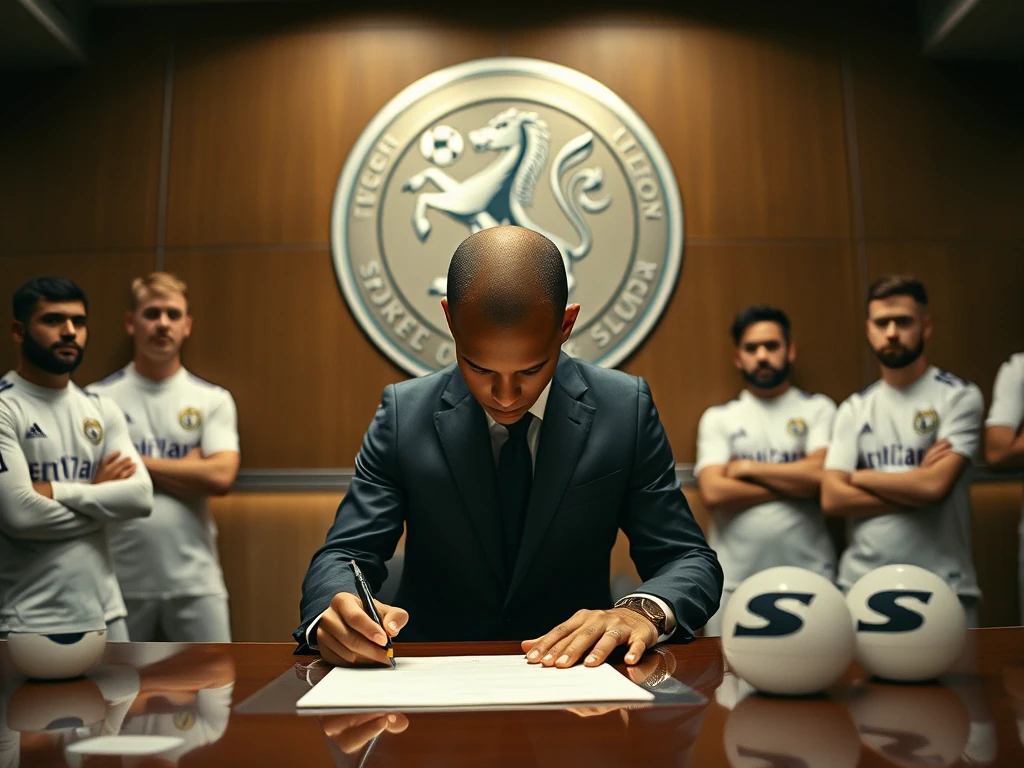
As Swansea City A.F.C. Continues its campaign in League Two, recent form has highlighted both strengths and areas in need of refinement. With a solid core of players and a passionate fanbase, the Swans are poised to make a significant impact, but to elevate their game further, some tactical adjustments are necessary.
Current Tactical Landscape
In their most recent outings, Swansea has displayed a commendable commitment to possession-based football, which has been a hallmark of their identity. The Swans have often dominated the midfield, use short, sharp passes to maintain control and create goal-scoring opportunities. However, this approach has sometimes come at a cost, leaving them vulnerable to counterattacks, particularly against teams that adopt a more direct style of play.
Defensive Solidity
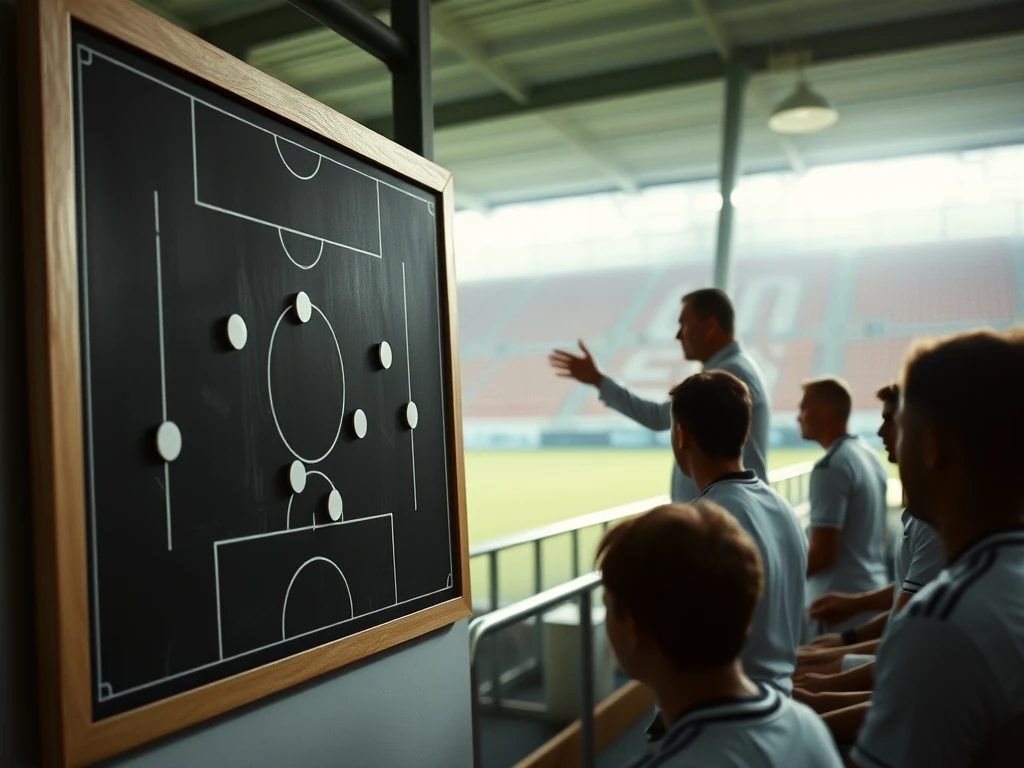
One area of concern has been the defensive structure, especially during transitional phases. While the backline has generally been solid, the Swans have occasionally found themselves outnumbered in key areas when losing possession. This suggests a need to tighten defensive organization, perhaps by implementing a more compact shape when out of possession. Transitioning to a 4-2-3-1 formation might offer the necessary balance, allowing two holding midfielders to provide additional protection to the back four while still enabling attacking support from the wider players.
Midfield Dynamics
In the midfield, the combination of creativity and industry is key. Currently, the team relies heavily on the creativity of a single playmaker, which can lead to predictability in the attacking third. Introducing a dual playmaker system, where two midfielders share the creative responsibilities, could enhance fluidity and keep opposition defenses guessing. This adjustment could also involve a more dynamic role for the wingers, encouraging them to cut inside and create space for overlapping full-backs.
Attacking Variety
Swansea has shown flashes of brilliance but often lacks the cutting edge in the final third. To address this, varying attacking patterns will be key. Implementing quick one-two exchanges around the penalty area, along with use the width of the pitch more effectively, can stretch opposing defenses and open up passing lanes. Additionally, incorporating a more direct style of play at times could catch opponents off guard, especially late in matches when they tire.
Set-Piece Strategy
Another area where Swansea could improve is their set-piece strategy. Currently, the team has struggled to capitalize on free-kicks and corners, often failing to threaten the opposition's goal. By investing more in set-piece training, the Swans can develop routines that exploit height and positioning advantages, turning these situations into genuine scoring opportunities.
A Unified Approach
it’s key for Swansea City to adopt a unified tactical approach that can be adapted based on the opponent. The ability to switch seamlessly between styles will not only enhance their attacking options but also fortify their defensive resilience. As the Swans handle the challenges of League Two, a more nuanced tactical identity could be the key to unlocking their potential and achieving the success that their passionate fanbase craves.
while Swansea City A.F.C. Has made strides in recent weeks, the subtle tactical tweaks outlined here could make a substantial difference in the team's performance as they aim for promotion this season. With the right adjustments, the Swans can continue to build on their recent form and make a strong push towards the upper echelons of League Two.